
Home / Fleet
Vehicles and equipmentThe fleet, and what each vehicle is actually for
Choosing the wrong vehicle is one of the most common ways a delivery gets expensive. Too small and it needs two trips. Too large and it cannot get into the site. Here is what each one carries and where it fits.
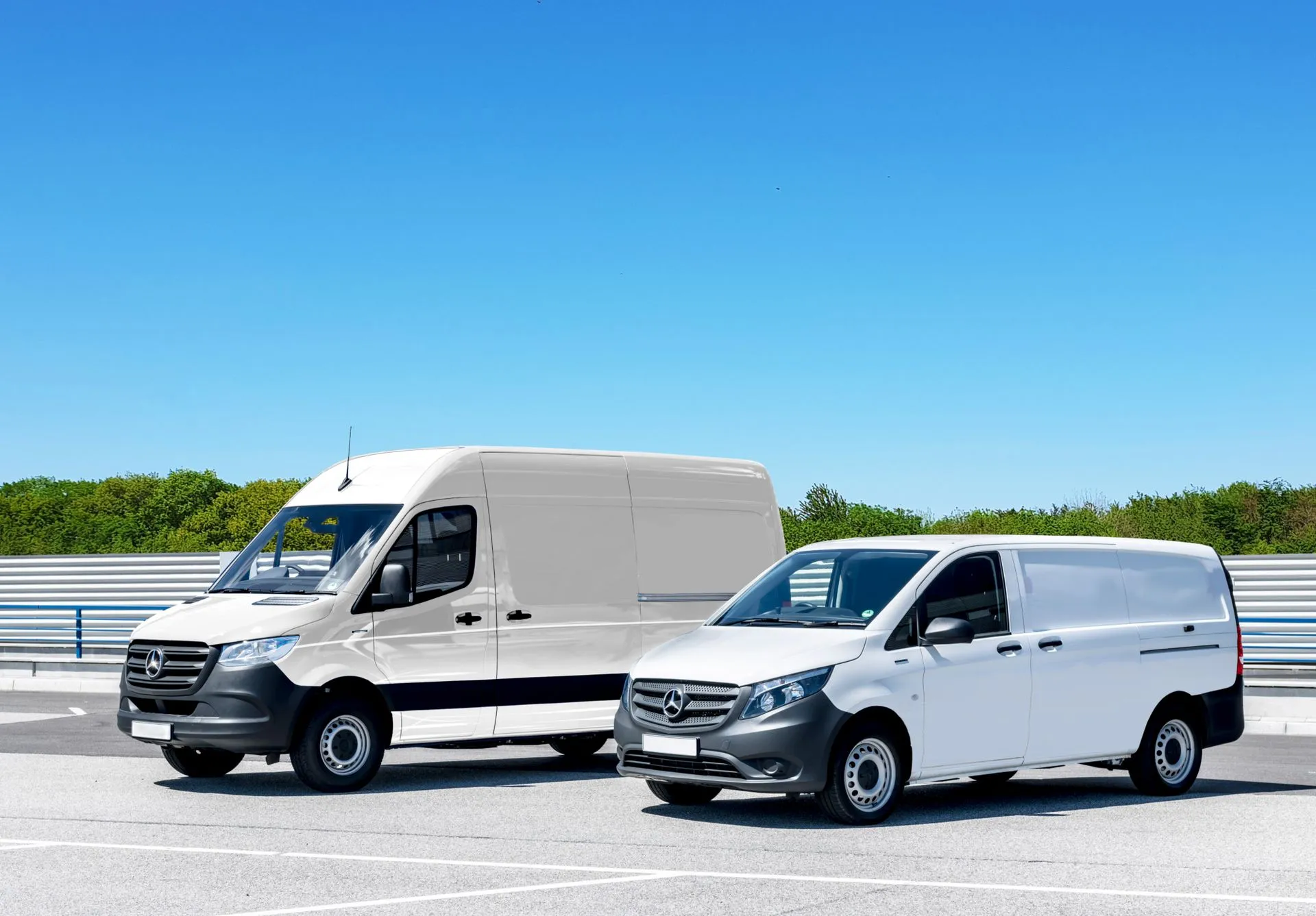
Vans are ours
The van fleet is our own, operating across the UK . That matters because it means the driver arriving at your site is accountable to us, not subcontracted out at the last minute to whoever answered the phone.
For HGV, temperature controlled, ADR and abnormal load work we use a vetted carrier network alongside our own vehicles. Everything below is marked so you know which is which before you book, rather than finding out when the vehicle turns up.
- Own fleet On our operator licence
- Network Vetted carrier, licence and insurance verified
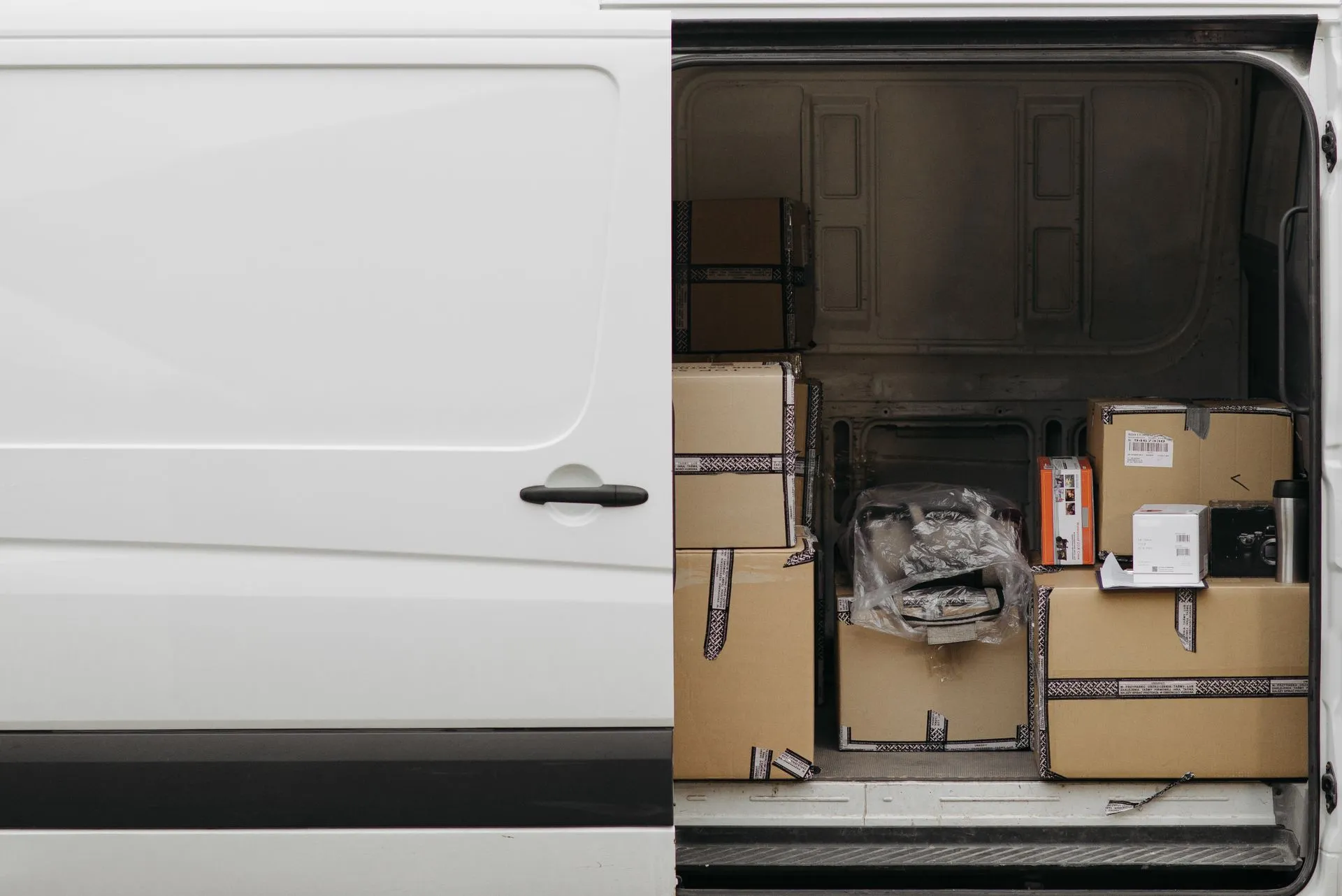
Van sizes and capacities
Capacities are realistic working figures rather than manufacturer maximums. Payload is almost always the limit before space is, so tell us the weight as well as the dimensions.
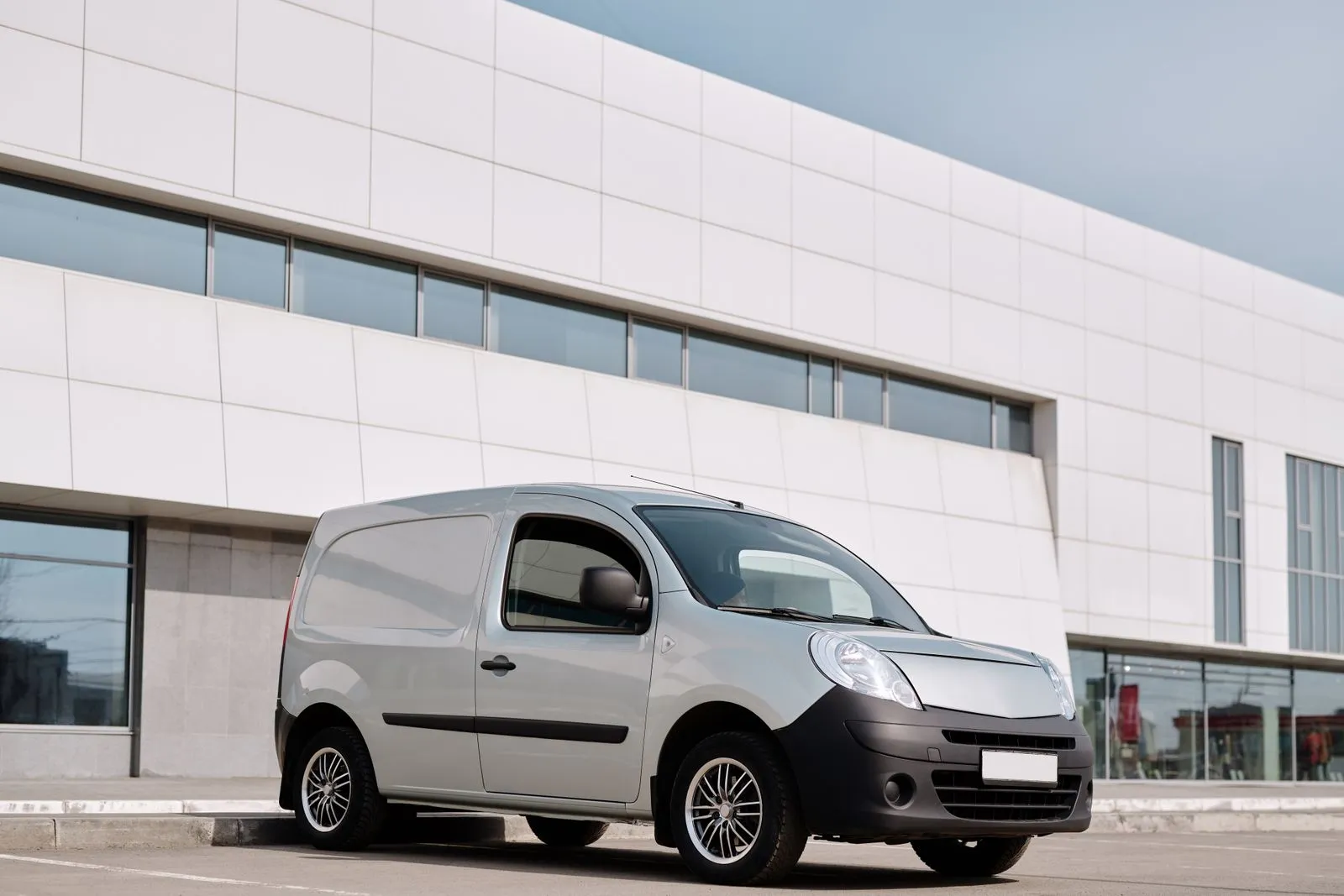
Small van Own fleet
- Capacity
- Roughly 2 to 3 cubic metres, up to about 500 kg
- Roughly
- Around 1 to 2 standard pallets of small boxes
- Suits
- Documents, samples, small components, urgent single items
The cheapest dedicated option and the easiest to park in a city centre. Right for documents, samples, single boxes and small parts where speed and access matter more than volume.
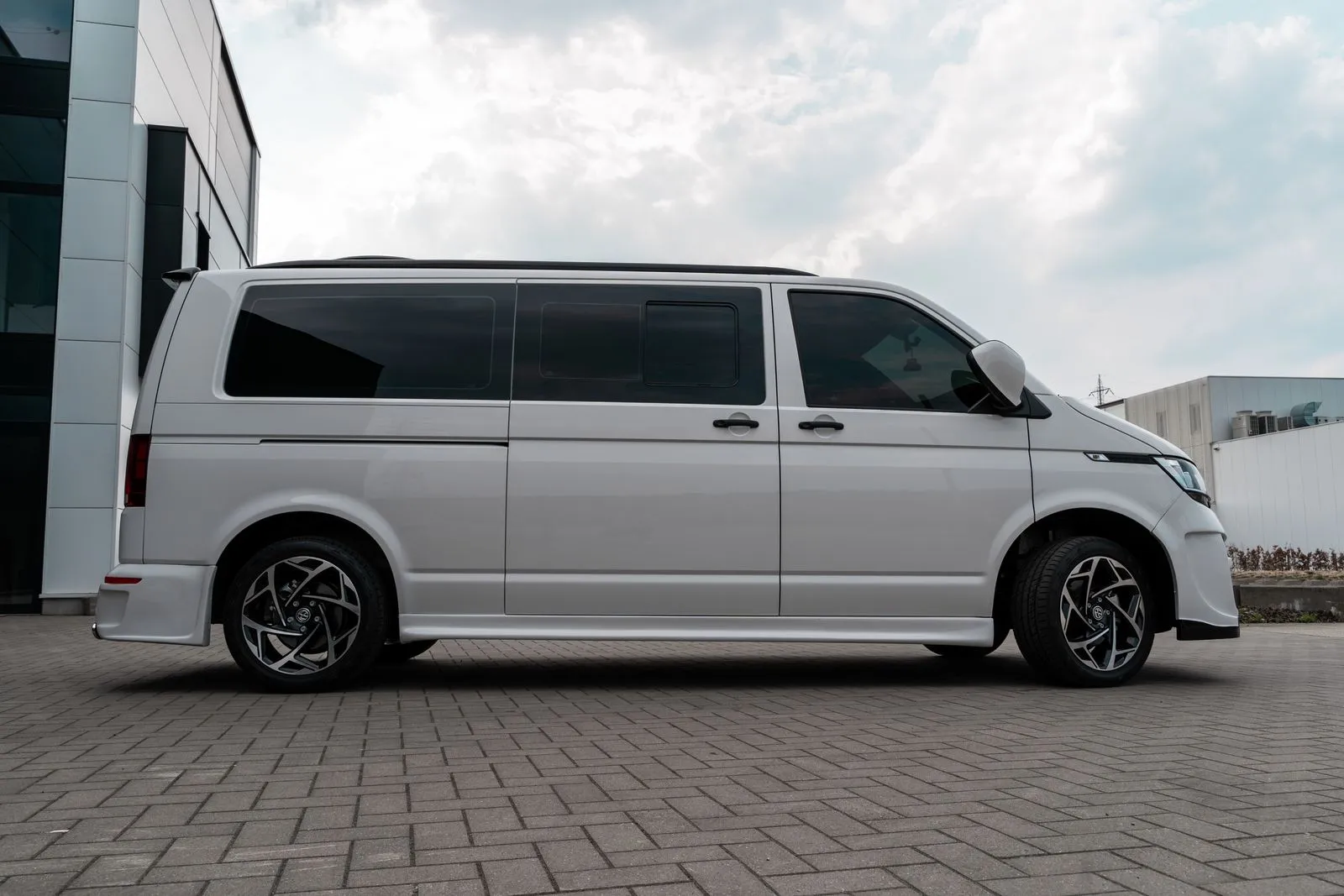
Short and medium wheelbase van Own fleet
- Capacity
- Roughly 5 to 6 cubic metres, up to about 900 kg
- Roughly
- Around 2 to 3 standard pallets
- Suits
- Multi drop rounds, trade counter deliveries, general courier work
The default urban and regional courier vehicle. Enough space for a genuine multi drop round while still fitting loading bays and height restricted car parks.
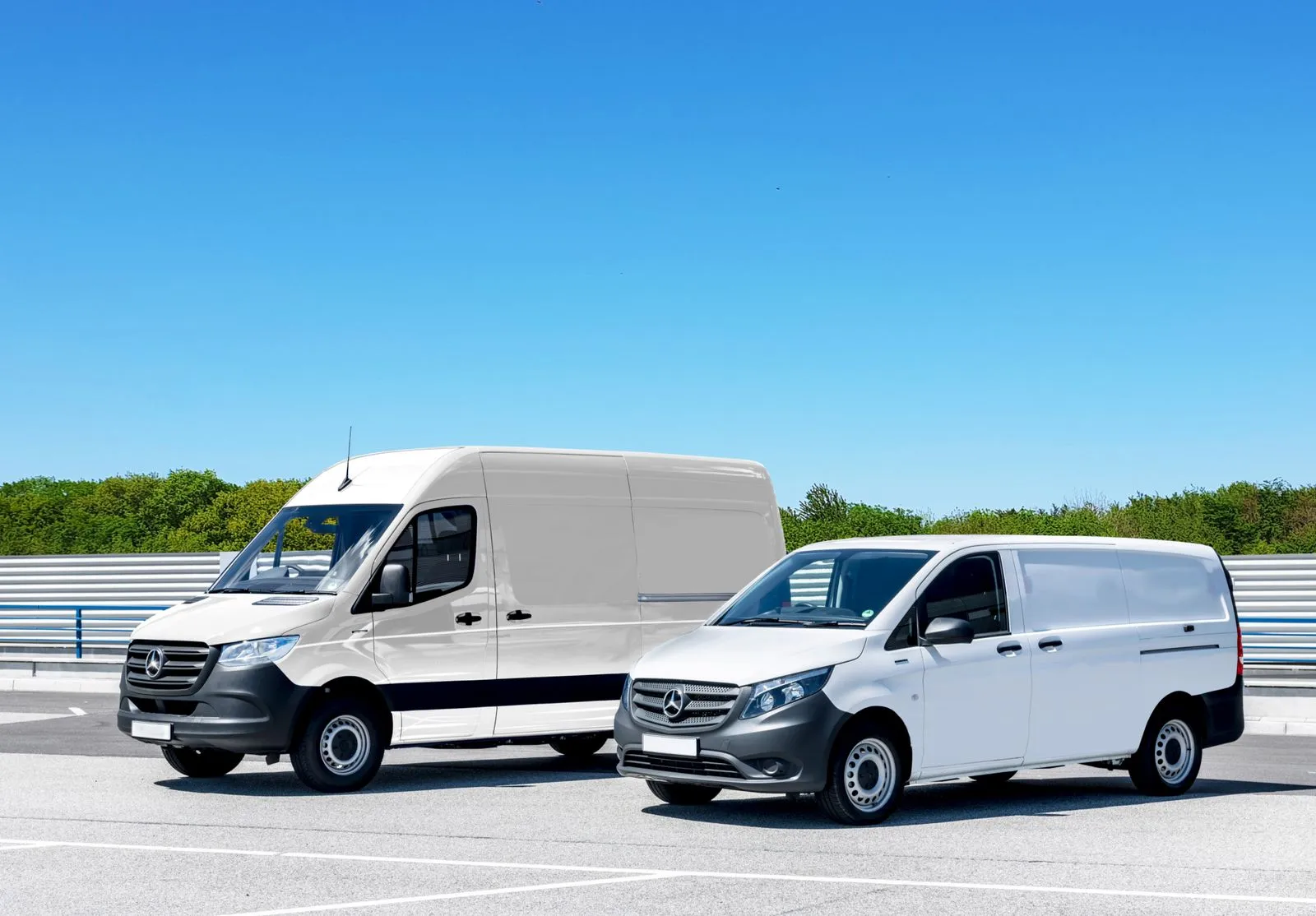
Long wheelbase van Own fleet
- Capacity
- Roughly 10 to 12 cubic metres, up to about 1,200 kg
- Roughly
- Around 3 to 4 standard pallets
- Suits
- Store replenishment, longer items, larger multi drop rounds
The workhorse of the fleet. Takes long items a smaller van cannot, carries a full round of stock, and still gets into most delivery points without a problem.
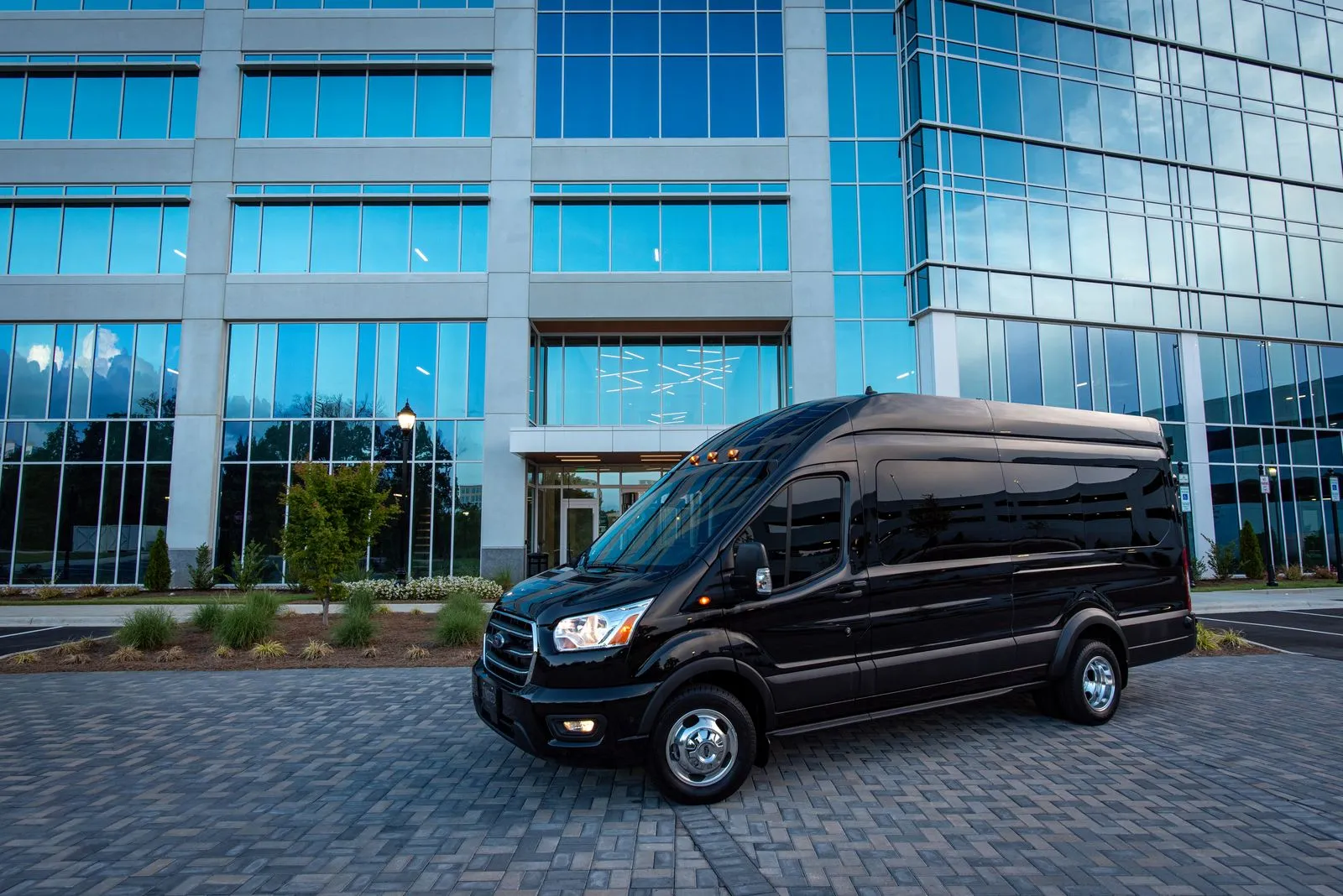
Extra long wheelbase van Own fleet
- Capacity
- Roughly 15 to 17 cubic metres, up to about 1,300 kg
- Roughly
- Around 4 to 5 standard pallets
- Suits
- Long freight, bulky low weight goods, exhibition equipment
Maximum load length in a van sized vehicle. The answer when the freight is long rather than heavy, such as trunking, pipe, profile and furniture.
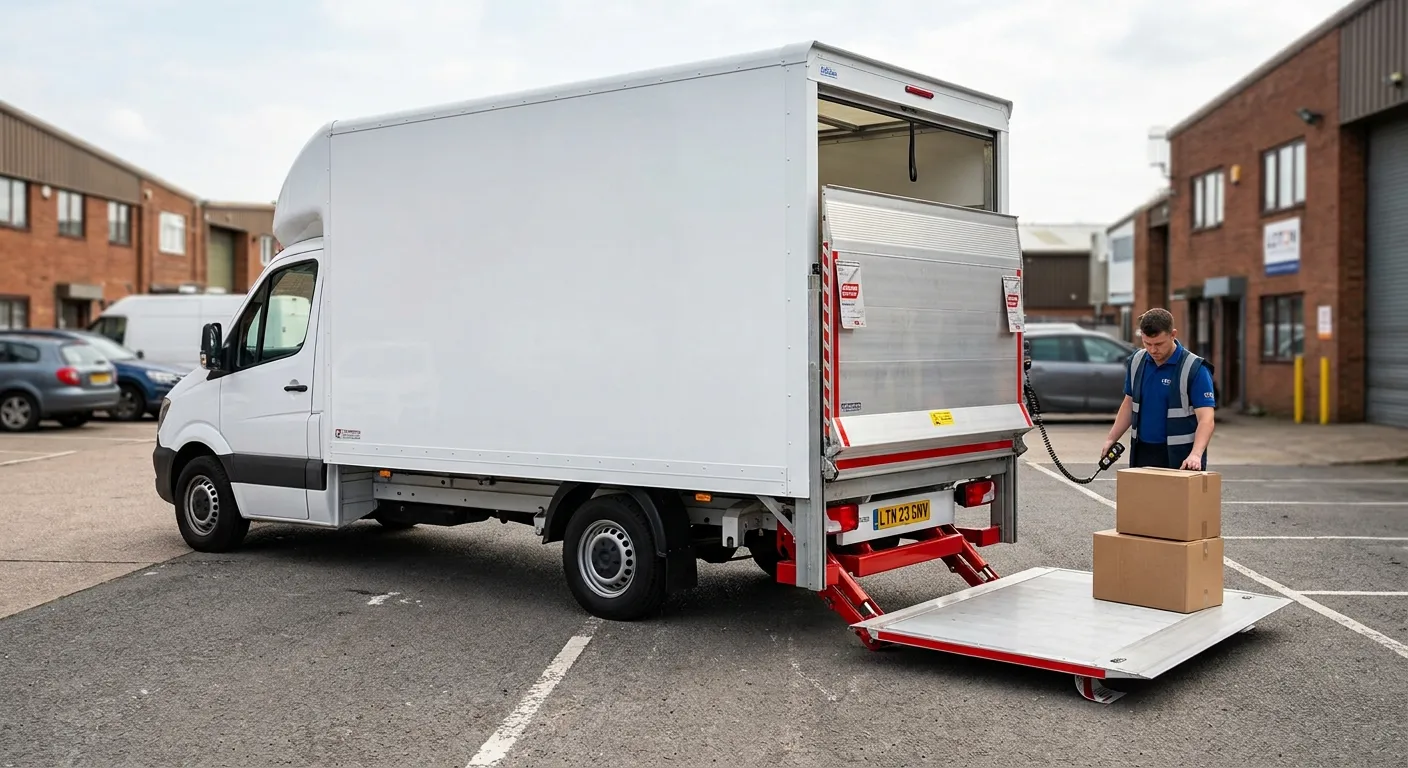
Luton box van with tail lift Own fleet
- Capacity
- Roughly 18 to 20 cubic metres, up to about 1,000 kg
- Roughly
- Around 5 to 6 standard pallets
- Suits
- Pallets, single heavy items, machinery, point of sale, furniture
A full box body with a tail lift, so single heavy items can be loaded without a forklift at either end. This is the vehicle that handles what a parcel network refuses.
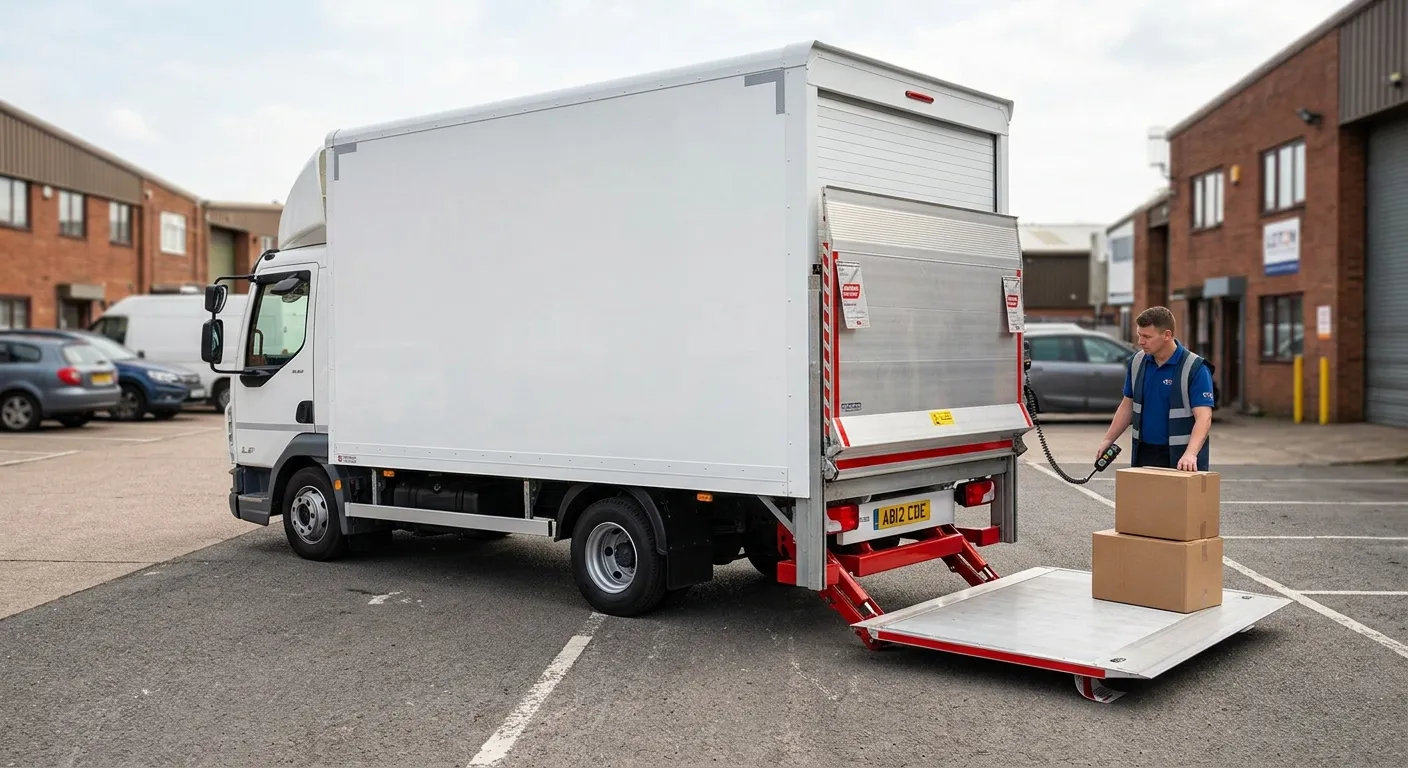
7.5 tonne rigid Own fleet
- Capacity
- Roughly 35 to 40 cubic metres, up to about 2,800 kg
- Roughly
- Around 8 to 10 standard pallets
- Suits
- Restricted access sites, mid sized loads, urban distribution
Where a van is too small but an articulated vehicle physically cannot get in. Tail lift options make it viable at sites with no loading dock.
Articulated and rigid vehicles
For freight beyond van capacity. Traction only supplies the unit and driver against your trailer; general haulage supplies the trailer as well.
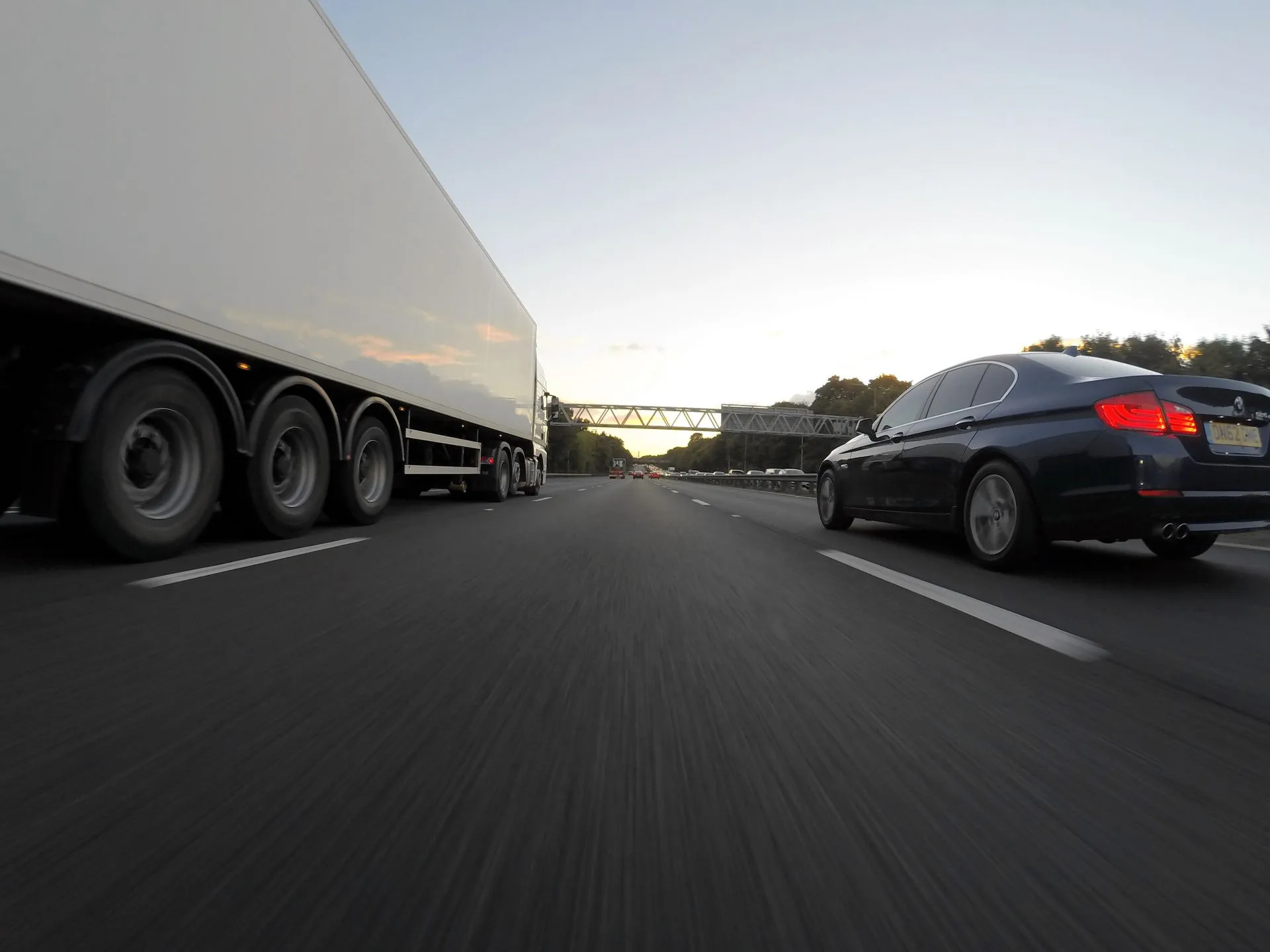
Tractor unit, 4x2 and 6x2 Own and network
- Suits
- Traction only, trunking, full loads, container work
Class 1 articulated traction at 44 tonnes gross. Supplied with driver for traction only work, or with one of our trailers for general haulage.

Rigid, 18 to 26 tonnes Network
- Suits
- Heavy mid sized loads, construction supply, restricted sites
Larger rigid capacity for loads that exceed 7.5 tonnes but do not justify or cannot accommodate an articulated vehicle. Mounted crane options available.
Trailer types
If you are booking traction only, tell us the coupling height, kingpin position and any ADR or temperature requirement so we can confirm suitability before quoting rather than on the day.
| Trailer | Payload | Suits |
|---|---|---|
| Curtainsider | Up to roughly 26 tonnes payload at 44 tonnes gross | Palletised goods, boxed products, general freight |
| Box and dry van trailer | Up to roughly 25 tonnes payload at 44 tonnes gross | High value goods, retail stock, anything weather sensitive |
| Skeletal and container chassis | Container weight dependent, to 44 tonnes gross | Container haulage from Felixstowe, London Gateway, Southampton and the Humber |
| Flatbed and extendable | Up to roughly 27 tonnes payload depending on specification | Steel, timber, plant, machinery, long or oversized items |
| Step frame and low loader | Specification dependent | Tall freight, wheeled and tracked plant, machinery moves |
Specialist requirements
Some of this we do ourselves and some we place with operators who hold the right qualifications and equipment. Approximating ADR or a cold chain on general equipment is how compliance failures happen, so we do not do it.
- Own fleet
Double manning
Two drivers in one vehicle, so that when the first reaches the limit of legally permitted driving hours the second takes over and the vehicle never stops. Essential for long distance work against a hard deadline.
- Own fleet
Tail lift and pump truck
For sites with no forklift and no loading dock. Lets a single driver handle a pallet or a heavy single item safely without help at the delivery point.
- Own fleet
Two person delivery
Items that cannot be safely handled by one person, or deliveries that need carrying into a building rather than left at the kerb.
- Network
Temperature controlled
Chilled and frozen movements are placed with specialist carriers holding the correct equipment and temperature recording to evidence the cold chain.
- Network
ADR and hazardous goods
Hazardous loads require ADR trained drivers and correctly specified vehicles. This work is placed with carriers who hold current ADR qualifications rather than approximated on general equipment.
- Network
Abnormal and oversized loads
Loads needing notification, escorts or route surveys are placed with heavy haulage specialists. We handle the coordination and you keep a single point of contact.
Not sure which vehicle you need?
Describe the load and we will tell you, including when a smaller or cheaper option would do the job.
Get a Quote